Plumbing Maintenance for Your Home?
Annual Plumbing Check-Up: What Gets Inspected
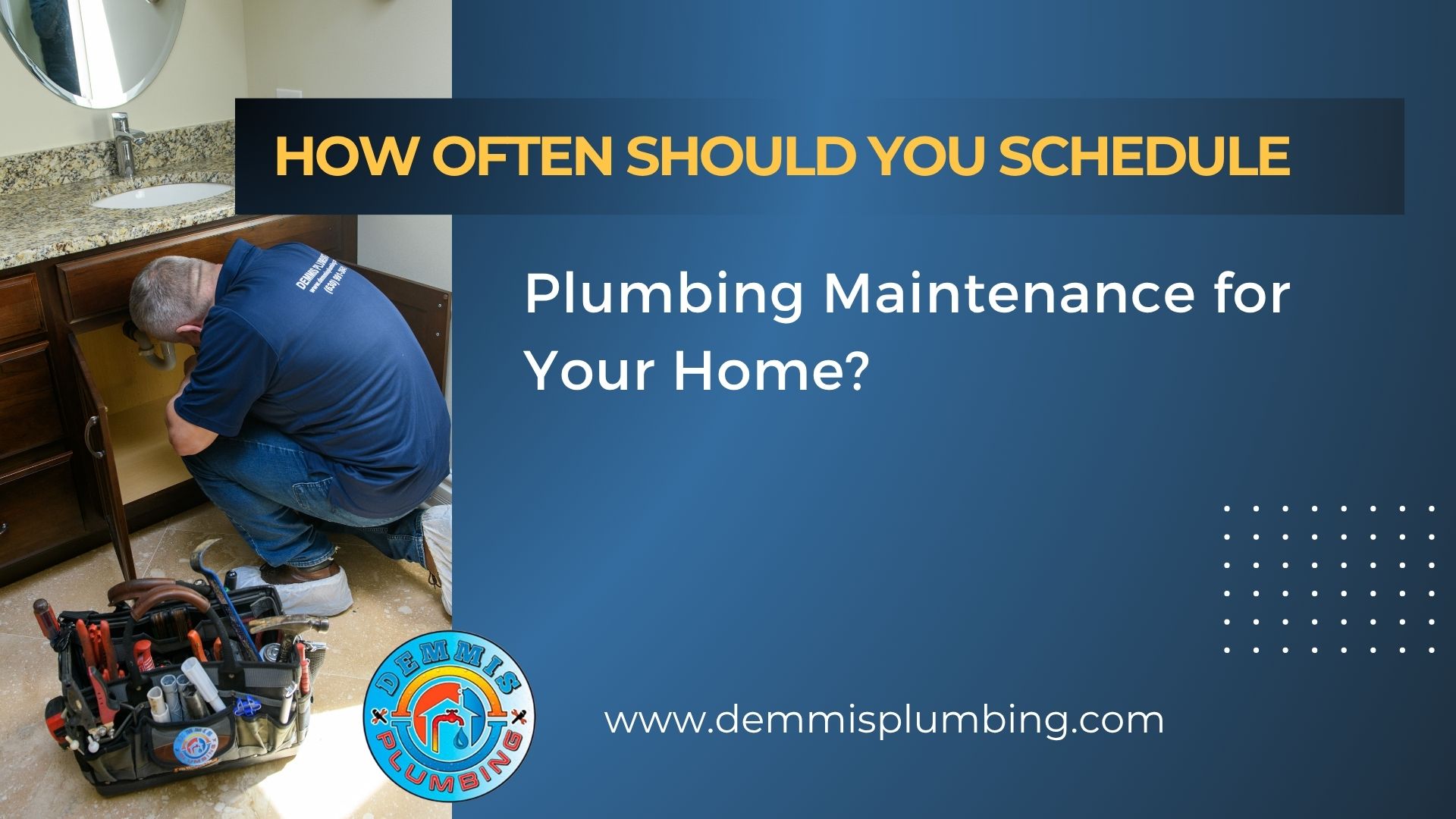
Once a year, a licensed plumber should walk through your home’s plumbing system. Here’s what a thorough inspection covers:
- Check all exposed pipes for corrosion, moisture, and joint integrity
- Test water pressure at multiple fixtures (ideal range: 40–80 PSI)
- Inspect under sinks for slow leaks at drain connections
- Check toilet flappers and fill valves for wear
- Inspect the water heater — anode rod, pressure relief valve, sediment buildup
- Test the sump pump operation
- Inspect visible sewer cleanout access points
Many problems caught during an annual inspection are simple, inexpensive fixes. Left alone, those same issues often become emergency calls.
Water Heater Flushing: Once a Year
Sediment from your water supply accumulates at the bottom of your water heater tank over time. That layer of sediment forces the heating element to work harder, reduces efficiency, shortens the life of the unit, and can cause the rumbling or popping sounds many homeowners notice.
Flushing the tank once a year removes that sediment buildup. It’s a straightforward service that extends the life of your water heater and keeps your energy bills from creeping up unnecessarily.
While the tank is being flushed, a plumber should also inspect the anode rod — a sacrificial metal rod that prevents the tank interior from corroding. A depleted anode rod means your tank walls are corroding instead. Replacing it costs a fraction of a new water heater.
Sump Pump Testing: Every 3–4 Months
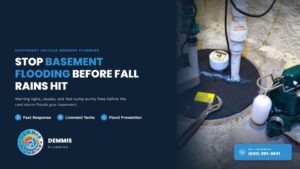
Your sump pump sits in a pit and waits. When it’s needed — during heavy rain, spring snowmelt, or flooding — it needs to work immediately. The problem is that sump pumps can fail silently. You don’t know until the water is rising.
Test your sump pump every few months by slowly pouring water into the pit until the float rises and the pump kicks on. If it doesn’t activate, or if it runs but doesn’t pump water out, call a plumber before the next rainstorm.
Also check the discharge line — the pipe that carries water away from your home. In Chicago winters, discharge lines can freeze and block the pump’s ability to move water even when the pump motor is running fine.
Checking Water Pressure: Seasonally
Low water pressure throughout your home isn’t just an inconvenience — it can signal a developing leak, pipe corrosion, or a failing pressure regulator. High water pressure (above 80 PSI) puts stress on every joint, fitting, and appliance connected to your water supply and accelerates wear.
A simple pressure gauge (available at any hardware store for under $20) can be attached to an outdoor hose bib to check your home’s water pressure. If it reads below 40 or above 80, call a plumber.
Seasonal changes in water supply pressure from your municipality are normal, which is why checking seasonally gives you a more accurate picture.
Small Leaks That Become Big Repairs
The most common preventable plumbing disasters all start the same way: a small leak that gets ignored.
- A slow drip under a sink saturates the cabinet floor and subfloor — leading to rot and mold
- A toilet that “runs” occasionally wastes thousands of gallons and can signal a failing flapper or fill valve
- A hairline crack in a supply line fitting can rupture under pressure during a cold snap
- A corroded pipe fitting under low pressure can fail completely when someone turns on a second fixture
According to the EPA’s WaterSense program, the average American household loses nearly 10,000 gallons per year to household leaks — most of which are preventable. That’s not just waste. It’s wear on your pipes and appliances that compounds over time.
Seasonal Plumbing Maintenance Checklist
Spring
- Test sump pump before rain season begins
- Check outdoor hose bibs for freeze damage over winter
- Inspect window well drains and basement floor drains
- Check water heater for sediment buildup
Summer
- Check irrigation system connections for leaks
- Inspect washing machine hoses for bulging or cracking
- Test water pressure at outdoor spigots
Fall
- Disconnect and drain outdoor hoses
- Insulate any exposed pipes in unheated spaces
- Flush water heater before heavy winter usage
- Check sump pump discharge line for obstructions
Winter
- Know where your main water shutoff valve is
- Keep cabinet doors open during extreme cold to protect pipes under sinks
- If you leave for an extended period, keep heat at minimum 55°F
- Check for slow drains that could freeze in basement floor drains
Signs You’ve Waited Too Long
These are signals that maintenance is overdue and a problem may already be developing:
- Water heater making banging or rumbling sounds
- Water pressure has dropped noticeably without explanation
- Drains are slower than they used to be
- You can hear water running when nothing is on
- Damp spots appearing on ceilings, walls, or floors
- Your water bill has increased without a change in usage
Any one of these warrants a call to a licensed plumber. Don’t wait for the problem to show itself more dramatically — by then, you’re paying for both the repair and the damage.
Why Preventive Plumbing Services Cost Less Long Term
An annual plumbing inspection typically costs $100–$200. A burst pipe repair, including water damage remediation, can run $5,000–$15,000 or more. A water heater flush costs $80–$150. A water heater replacement runs $900–$2,000.
The math is simple. Preventive plumbing services are not an extra expense — they’re the cheapest form of insurance your home has.
At Demmis Plumbing, we offer thorough home plumbing inspections for homeowners across the Chicago Southwest suburbs. We check everything, give you a straight report on what we find, and only recommend work that actually needs to be done.
Schedule your annual plumbing inspection today. Call (630) 991-3641 or visit www.demmisplumbing.com to book your service.
🔧 Ready to Fix It? Call Demmis Plumbing Today.
📍 Serving Chicago Southwest Suburbs
📞 (630) 991-3641 | 708-420-0806 | 773-380-1900
📧 demmisplumbing@yahoo.com
★ Call Now ★ Book a Service ★ Schedule an Inspection