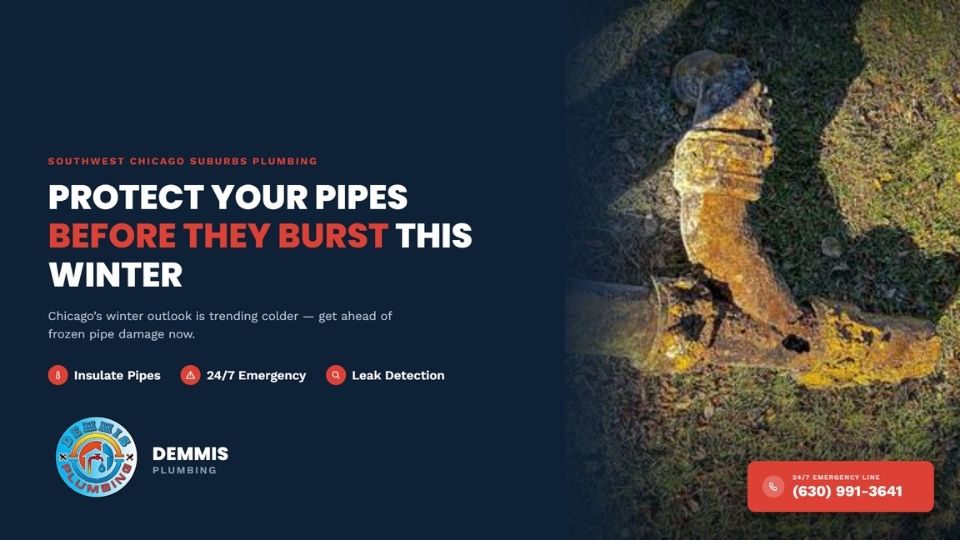
Noticed your water pressure drop out of nowhere, or heard a strange banging in your walls the last time temperatures dipped? That’s often the first sign of trouble before you ever need burst pipe repair — and this year’s early winter outlooks for the Chicago area are already pointing toward a colder, potentially snowier season. That’s exactly the kind of setup that catches unprepared homes off guard in January.
In this guide, you’ll learn what actually causes pipes to burst, the warning signs that show up before a full break, how plumbers track down hidden leaks, and the prevention steps that cost almost nothing compared to a flooded basement. By the end, you’ll know exactly what to check now, weeks before the real cold sets in.
Why This Matters
A burst pipe isn’t just an inconvenience — it’s one of the most expensive plumbing emergencies a homeowner can face. A quarter-inch crack in a pressurized water line can release over 250 gallons of water in a single day, and in freezing temperatures, that water often doesn’t show up until the ice melts and the damage is already done. Homeowners across Naperville, Aurora, Plainfield, and the rest of the Southwest suburbs deal with this every winter, especially in homes with pipes running through unheated crawlspaces, garages, or exterior walls.
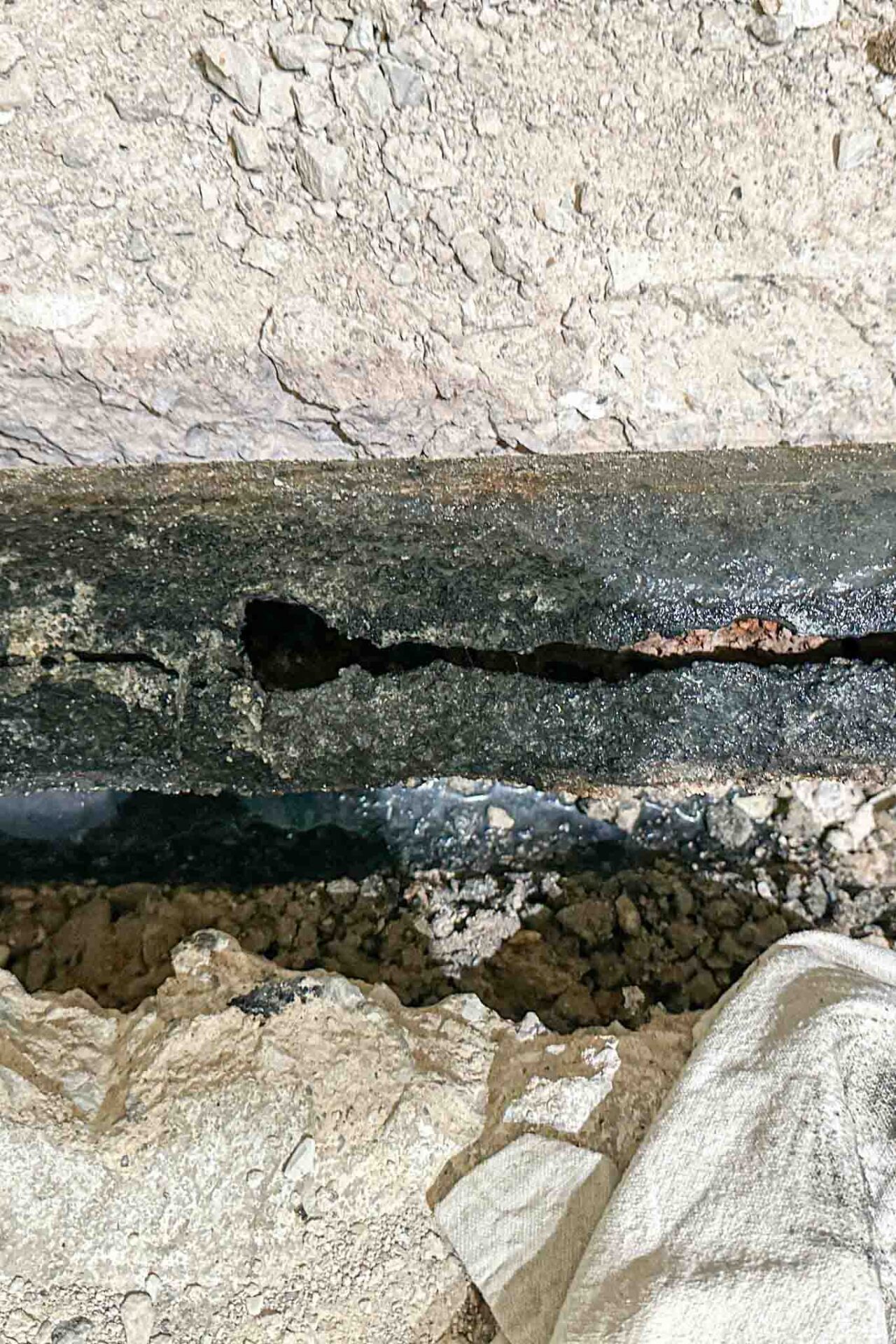
A lot of homeowners assume a burst pipe only happens during a hard freeze, but that’s not quite right. Pipes usually crack during the freeze, then actually burst and leak once things start to thaw and pressure builds back up in the line — which means the real damage often shows up on a “warmer” day, catching people off guard.
Local businesses feel this risk too. A tasting room like Noon Whistle Brewing’s Naperville location runs a lot of water through its systems daily — a burst line during a cold snap can shut down production, not just cause a mess.
Burst Pipe Repair — What Homeowners Need to Know
Common Signs and Warning Signals
- Sudden, unexplained drop in water pressure throughout the house
- Banging, clanking, or whistling sounds in the walls when water is running
- Frost visible on an exposed pipe
- No water at all from one or more fixtures during cold weather
- Damp spots, discoloration, or bulging on walls or ceilings
- A noticeably higher water bill with no obvious explanation
Common Causes
- Water freezing inside a pipe and expanding, cracking the pipe wall from the inside
- Pipes running through uninsulated crawlspaces, attics, garages, or exterior walls
- Old, corroded galvanized or copper pipes that have thinned over decades
- Sudden temperature swings that stress pipe joints and fittings
- High water pressure in the system putting ongoing stress on aging pipes
- A home left unheated or set too low during a cold stretch, even briefly
Repair vs. Replacement
A single burst section of pipe is usually a straightforward repair — cutting out the damaged section and replacing it, then pressure-testing the line. If a home has multiple pipes bursting in the same season, or the plumbing is decades-old galvanized pipe, that’s usually a sign the whole system is due for a broader repipe rather than one-off patches. A plumber can inspect accessible pipe sections and give you a realistic read on whether you’re looking at a repair or a bigger repiping conversation.
Prevention and Maintenance Tips
- Insulate exposed pipes in crawlspaces, garages, and attics before the first hard freeze
- Keep your thermostat no lower than 55°F, even when you’re away for the holidays
- Open cabinet doors under sinks on exterior walls during extreme cold, so warm air can reach the pipes
- Let faucets drip slightly during a hard freeze to relieve pressure inside the line
- Know where your main shutoff valve is, so you can act fast if a pipe does burst
Professional Recommendations
- Insulate before the cold arrives. Foam pipe sleeves are inexpensive and take an afternoon to install on exposed lines.
- Have leak detection done proactively. Modern equipment can locate hidden leaks behind walls or under slabs without tearing anything open first.
- Budget for it. Standard burst pipe repair typically runs $200-$800 for an accessible section; hidden or slab leaks can run higher depending on access needed.
- Watch your water bill. A sudden spike is often the earliest sign of a leak you can’t see yet.
- Call a plumber immediately if: your water pressure drops suddenly, you hear water running when nothing is turned on, or you find any standing water near a wall or floor.
Most-Asked Questions About Burst Pipe Repair
Why did my pipe burst? Most bursts happen when water freezes inside a pipe, expands, and cracks the pipe wall — the actual leak often shows up later, once things thaw and pressure returns. Pipes in unheated spaces like crawlspaces, garages, and exterior walls are the most common victims.
What should I do if a pipe bursts in winter? Shut off the main water valve immediately, then shut off power to any electrical near the leak. Open a faucet to relieve pressure in the line, and call a plumber right away — the faster the water is stopped, the less damage you’ll deal with.
Why is my water pressure suddenly low? Sudden low pressure can point to a hidden leak, a partially frozen pipe restricting flow, or a failing pressure regulator. It’s worth having it checked before it turns into a full burst.
How do plumbers find hidden pipe leaks? Professionals use acoustic listening devices, thermal imaging, and pressure testing to pinpoint a leak’s exact location without cutting into walls or floors unnecessarily — saving you both time and repair cost.
Why Choose Demmis Plumbing
We’ve handled burst and frozen pipe emergencies across Naperville, Aurora, Plainfield, and the entire Southwest Chicago suburbs for years, so we know which neighborhoods and home styles are most prone to freeze damage. Every technician is licensed, background-checked, and equipped with modern leak-detection tools — not just guesswork.
When a pipe bursts, we know minutes matter. We prioritize burst pipe emergencies and work to get a technician out fast, whether you’re near The Patio in Aurora or across town in Naperville. We also service commercial properties, including facilities with strict plumbing uptime needs like The Children’s Courtyard daycare centers in Plainfield, where reliable water service isn’t optional.
Conclusion
A burst pipe rarely happens on a convenient afternoon — it’s usually the middle of a cold night, or right as a holiday guest turns on the shower. The good news is that most of the damage is preventable with a little insulation and a working thermostat setting. Don’t wait for the first hard freeze of the season to find out where your home’s weak points are.
Call Demmis Plumbing for a pre-winter pipe inspection, insulation recommendations, or fast emergency repair if a pipe has already burst.