Why Is My Water Bill Suddenly So High?
Did you open your latest utility bill and immediately wonder, “Why is my water bill so high?” If your household habits have not changed but your water usage suddenly has, there may be more going on than longer showers or an extra load of laundry.
A higher bill can sometimes be explained by seasonal watering, guests, filling a pool, or changes in utility rates. But unexplained increases can also point to a running toilet, dripping fixture, underground leak, damaged pipe, or another plumbing problem.
The good news is that many causes can be narrowed down fairly quickly. Here is what to check, what warning signs you should not ignore, and when it is time to bring in a professional plumber.
Why a Sudden Increase in Your Water Bill Matters
A high water bill is not just about paying more this month. If the increase is caused by a plumbing leak, water may be escaping continuously somewhere inside or outside your home.
According to the U.S. EPA WaterSense program, household leaks can waste thousands of gallons of water each year. Even relatively simple leaks from toilets, faucets, and valves can add up over time.
Ignoring the problem can also lead to damage that costs far more than the water itself. Hidden leaks may contribute to:
- Water-damaged drywall and flooring
- Mold or mildew growth
- Damaged cabinets
- Rotting wood
- Foundation or basement moisture
- Increased sewer charges
- Larger plumbing repairs later
For homeowners in Lemont, Orland Park, Homer Glen, Lockport, Plainfield, Naperville, Aurora, and surrounding Chicago Southwest suburbs, seasonal weather can make diagnosis even more important.
Outdoor watering raises summer usage, while freezing temperatures can stress pipes during winter. That means comparing your bill with the same period from the previous year is often more useful than simply comparing one month with the month before it.
Why Is My Water Bill So High? What Homeowners Need to Know
Before assuming there is a major leak behind a wall, start with the simplest explanation.
Ask yourself whether anything changed during the billing period.
Did you:
- Water the lawn more often?
- Fill or refill a swimming pool?
- Have guests staying in the home?
- Run additional laundry?
- Install a new appliance?
- Increase outdoor irrigation?
- Have construction or remodeling work completed?
The EPA’s guide to understanding your water bill notes that household water use can change considerably depending on outdoor irrigation, household size, fixtures, and seasonal habits.
If your usage increased without an obvious lifestyle or seasonal explanation, however, a leak becomes much more likely.
Common Signs and Warning Signals
Sometimes the bill is the first clue. Other times your home has already been dropping hints that everyone politely ignored because plumbing problems have a habit of starting quietly.
Watch for:
- A toilet that runs when nobody has flushed it
- Faucets that drip continuously
- Water stains on walls or ceilings
- Damp flooring
- Musty odors
- Unexplained puddles around fixtures
- A water meter that continues moving when everything is turned off
- Reduced water pressure
- Sounds of running water behind walls
- Wet or unusually green areas in the yard
- A sump pump running unusually often
- Moisture around the water heater
You should take unexplained meter movement especially seriously.
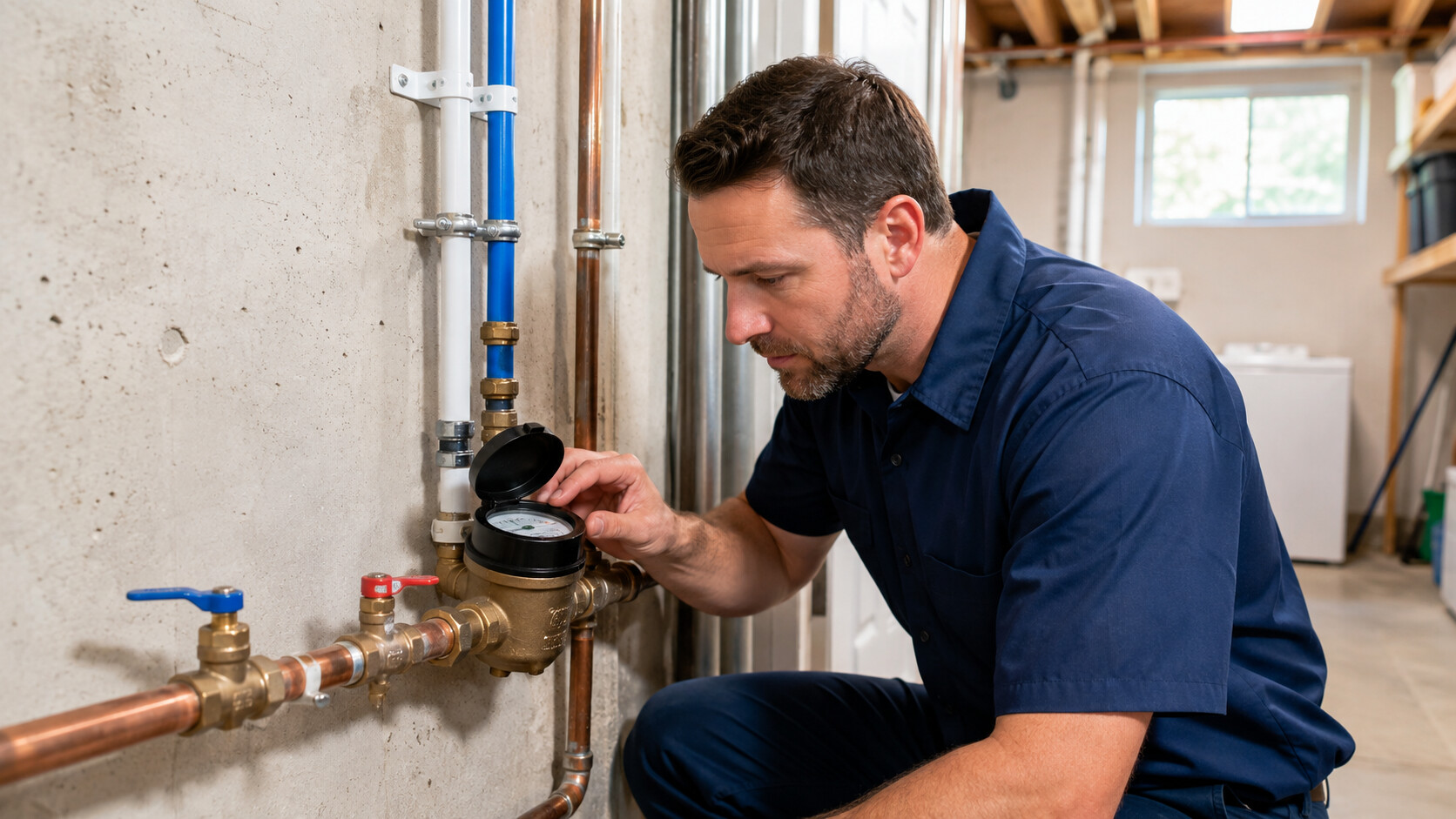
Turn off faucets, appliances, irrigation, and anything else that uses water. Then check your meter.
If the reading changes while no water should be running, there may be a leak somewhere in the plumbing system.
Common Causes of a High Water Bill
1. A Running Toilet
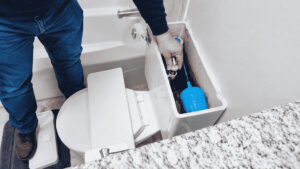
A leaking toilet is one of the easiest plumbing problems to miss because the water may flow directly from the tank into the bowl without leaving a puddle.
Common causes include:
- A worn toilet flapper
- A faulty fill valve
- Incorrect float adjustment
- A damaged flush valve
- Water flowing into the overflow tube
If you hear the toilet refill randomly even though nobody has used it, investigate it.
One simple test is to add a few drops of food coloring to the toilet tank and wait without flushing. If colored water appears in the bowl, water is leaking from the tank.
The EPA also recommends this type of toilet leak test as part of its Fix a Leak guidance.
2. Dripping Faucets or Shower Fixtures
One dripping faucet may not look dramatic, but a small leak running 24 hours a day can still waste a significant amount of water.
A worn washer, cartridge, seal, valve, or fixture connection can allow water to escape continuously.
Check:
- Kitchen faucets
- Bathroom faucets
- Utility sinks
- Showerheads
- Tub spouts
- Outdoor hose connections
If replacing a small component stops the leak, repair may be all you need.
An older, corroded, or repeatedly failing fixture may make replacement more practical.
3. Hidden Pipe Leaks
Hidden leaks are more difficult because you may not see water anywhere near the actual damaged pipe.
Leaks can develop:
- Behind drywall
- Under flooring
- Inside cabinets
- Above ceilings
- In basements or crawl spaces
- Along underground water lines
Look for discoloration, soft drywall, warped flooring, peeling paint, unexplained moisture, or the sound of water when fixtures are off.
If the meter indicates continuous usage and you cannot locate the source, professional leak diagnosis is usually the smarter next step.
4. Underground or Service Line Leaks
A leak between the water meter and your house can consume a surprising amount of water while remaining largely invisible.
Possible warning signs include:
- Wet soil during dry weather
- Unusually lush patches of grass
- Standing water
- Reduced water pressure
- Increasing water use with no indoor explanation
If your actual usage has increased significantly and you cannot find an indoor cause, the service line and underground plumbing may need to be inspected.
5. Water Heater Problems
A water heater can leak slowly from connections, valves, fittings, or the tank itself.
Check around the unit for:
- Moisture
- Rust
- Small puddles
- Corroded connections
- Water around the relief valve
- Water near the drain area
A minor connection problem may sometimes be repaired. A leaking or deteriorating tank can require replacement.
Do not ignore water collecting around a water heater, especially if the source is the tank itself.
6. Irrigation and Outdoor Plumbing Leaks
Summer bills deserve special attention because irrigation systems, hoses, and outdoor faucets can use substantial amounts of water.
Inspect:
- Hose bibs
- Garden hoses
- Sprinkler heads
- Irrigation valves
- Underground irrigation lines
- Automatic watering schedules
A damaged sprinkler line may run several times a week without anyone noticing the wasted water.
7. Water-Using Appliances
Dishwashers, washing machines, refrigerators with water lines, humidifiers, and other connected appliances can develop leaks.
Check behind and underneath them when possible.
A small supply-line leak may not be obvious until flooring, cabinets, or drywall begin showing damage.
8. Billing or Meter Changes
Not every higher bill means something is broken.
Your bill may increase because of:
- Utility rate changes
- Estimated versus actual meter readings
- Longer billing periods
- Seasonal water rates
- Previous underbilling
Compare both the total cost and actual water consumption shown on your bills.
If the price increased but your gallon usage did not, the issue may be billing-related rather than plumbing-related.
Repair vs. Replacement
Not every leak requires replacing an entire fixture or plumbing system.
Repairs often make sense for:
- Toilet flappers
- Fill valves
- Faucet cartridges
- Washers
- Supply connections
- Accessible pipe fittings
- Minor fixture leaks
Replacement may make more sense when:
- A fixture is badly corroded
- The same component keeps failing
- A water heater tank itself is leaking
- Older piping has multiple leak points
- Repair costs are approaching replacement cost
- Existing equipment is near the end of its useful life
A professional plumber should explain both options when both are realistic.
The cheapest repair today is not always the least expensive solution over the next several years.
Prevention and Maintenance Tips
You cannot prevent every plumbing failure, but routine checks can catch many problems before they turn into expensive surprises.
A practical homeowner routine includes:
- Review your water bill every month.
Look at actual water usage, not only the final dollar amount. - Compare usage year over year.
Summer and winter water consumption can be very different. - Listen for running toilets.
Random refilling is not normal. - Inspect under sinks.
Look for moisture, corrosion, stains, or swollen cabinet material. - Check around your water heater.
Moisture around the tank deserves attention. - Inspect outdoor plumbing seasonally.
Check hose bibs, irrigation systems, and exposed connections. - Know where your main water shut-off valve is located.
During a major leak, shutting off the water quickly can help limit damage. - Consider leak detection technology.
Modern monitoring devices can detect unusual flow patterns or moisture before a leak becomes obvious.
Homeowners interested in automatic monitoring can review the EPA WaterSense information on leak detection and flow-monitoring devices.
Professional Recommendations
If your water bill suddenly jumps, do not start replacing fixtures at random.
Diagnose the problem systematically.
Start With This Checklist
- Compare current usage with previous bills.
- Confirm whether outdoor water use increased.
- Turn off faucets and water-using appliances.
- Check whether toilets are running.
- Inspect visible pipes and fixture connections.
- Look around the water heater.
- Check outdoor faucets and irrigation.
- Observe your water meter while no water should be running.
If the meter continues showing usage, you may have a leak that requires further investigation.
Seasonal Considerations
Spring: Inspect outdoor plumbing after freezing winter temperatures.
Summer: Monitor irrigation systems, sprinklers, hoses, and pool usage.
Fall: Disconnect garden hoses and inspect exterior faucets before freezing weather arrives.
Winter: Pay attention to sudden pressure changes, frozen pipes, unusual moisture, or unexpectedly high consumption.
Chicago-area winters can put considerable stress on pipes, valves, exterior faucets, and other plumbing components.
Cost-Saving Tips
A few simple habits can reduce both water waste and the chance of a larger repair bill:
- Repair dripping faucets promptly.
- Do not ignore running toilets.
- Replace damaged supply hoses before they fail.
- Check appliance connections periodically.
- Monitor outdoor water use during summer.
- Investigate unexplained increases in water consumption early.
- Schedule a plumbing inspection if recurring leaks keep appearing.
The goal is not to react to every tiny plumbing sound like the house is about to explode. It is to notice changes early enough that a small problem stays small.
When Should You Call a Plumber?
Contact a professional plumber when:
- Your water meter moves while everything is off
- You suspect a leak behind a wall
- Water stains continue growing
- Water pressure suddenly drops
- You repeatedly repair the same fixture
- Your water heater is leaking
- You notice unexplained wet areas outside
- You cannot identify the cause of increased water consumption
- Water is actively damaging your home
For significant active leaks, sewage backups, burst pipes, or flooding risks, treat the problem as an emergency rather than waiting to see what happens.
Most-Asked Questions About Why Is My Water Bill So High
Why is my water bill so high all of a sudden?
A sudden high water bill can be caused by increased household usage, outdoor irrigation, a running toilet, dripping fixtures, hidden pipe leaks, leaking appliances, or a service-line problem.
Start by comparing your actual water consumption with previous bills. If your habits have not changed but usage has increased, check for leaks.
Can a running toilet cause a high water bill?
Yes. A running toilet can continuously send clean water into the sewer without creating a visible puddle.
Common causes include a worn flapper, faulty fill valve, incorrect float setting, or water flowing into the overflow tube.
If your toilet refills when nobody has used it, it should be inspected.
How do I know if I have a hidden water leak?
Turn off faucets, appliances, irrigation, and anything else using water, then check your water meter.
If the meter continues registering water use, a leak may be present.
Other warning signs include damp walls, water stains, musty odors, warped flooring, unusually green areas outside, reduced pressure, or sounds of running water behind walls.
Who should I call if my water bill is unusually high?
If the bill appears incorrect but your water consumption has not increased, contact your water utility first.
If actual usage has increased and you cannot identify the reason, contact a licensed plumber to inspect your fixtures, piping, water heater, appliances, and other possible leak sources.
Why Choose Demmis Plumbing?
When unexplained water use points to a plumbing problem, you need someone who can identify the cause instead of simply replacing parts and hoping the bill goes down.
Demmis Plumbing serves Lemont and communities throughout Chicago’s Southwest suburbs with residential and commercial plumbing services.
Homeowners and businesses can turn to Demmis Plumbing for:
- Local experience serving Lemont and surrounding communities
- Licensed and experienced plumbing professionals
- Plumbing repairs and leak diagnosis
- Faucet and fixture repairs
- Pipe repairs
- Water heater services
- Sewer and drain cleaning
- Sump pump services
- Emergency plumbing
- Residential and commercial plumbing
- Honest recommendations and upfront communication
When an active leak creates an immediate risk of property damage, fast diagnosis matters.
Stop Paying for Water You Are Not Using
If your water bill suddenly increased and there is no clear explanation, do not ignore it.
Start with the simple checks: toilets, faucets, appliances, outdoor plumbing, your water heater, and the water meter.
If the numbers still do not make sense, a hidden plumbing problem may be responsible.
Finding the source early can help reduce wasted water and, more importantly, prevent a small leak from becoming expensive property damage.
For professional plumbing inspections, repairs, leak diagnosis, or estimates throughout Lemont and the Chicago Southwest suburbs, contact Demmis Plumbing.