Why Does My Toilet Keep Running?
Have you noticed your running toilet making noise long after you’ve flushed? Maybe you hear water trickling into the bowl, or your water bill suddenly seems much higher than usual. While many homeowners ignore the problem because the toilet still works, a constantly running toilet is often a sign that something inside the tank isn’t working properly.
The good news is that many running toilet problems are straightforward to diagnose. In this guide, you’ll learn the most common causes, what warning signs to watch for, whether the toilet should be repaired or replaced, and when it’s time to call a licensed plumber.
Why This Matters
A running toilet isn’t just annoying. It can quietly waste hundreds of gallons of clean water every day, increasing your monthly utility bill and putting unnecessary wear on your plumbing system.
Many homeowners in Lemont, Orland Park, Homer Glen, Lockport, Plainfield, Naperville, Aurora, and surrounding communities don’t notice the problem until they receive an unexpectedly high water bill.
Ignoring the issue may lead to:
- Higher water costs
- Continuous wear on toilet components
- Mineral buildup inside the tank
- Unexpected toilet failure
- Water damage if another component begins leaking
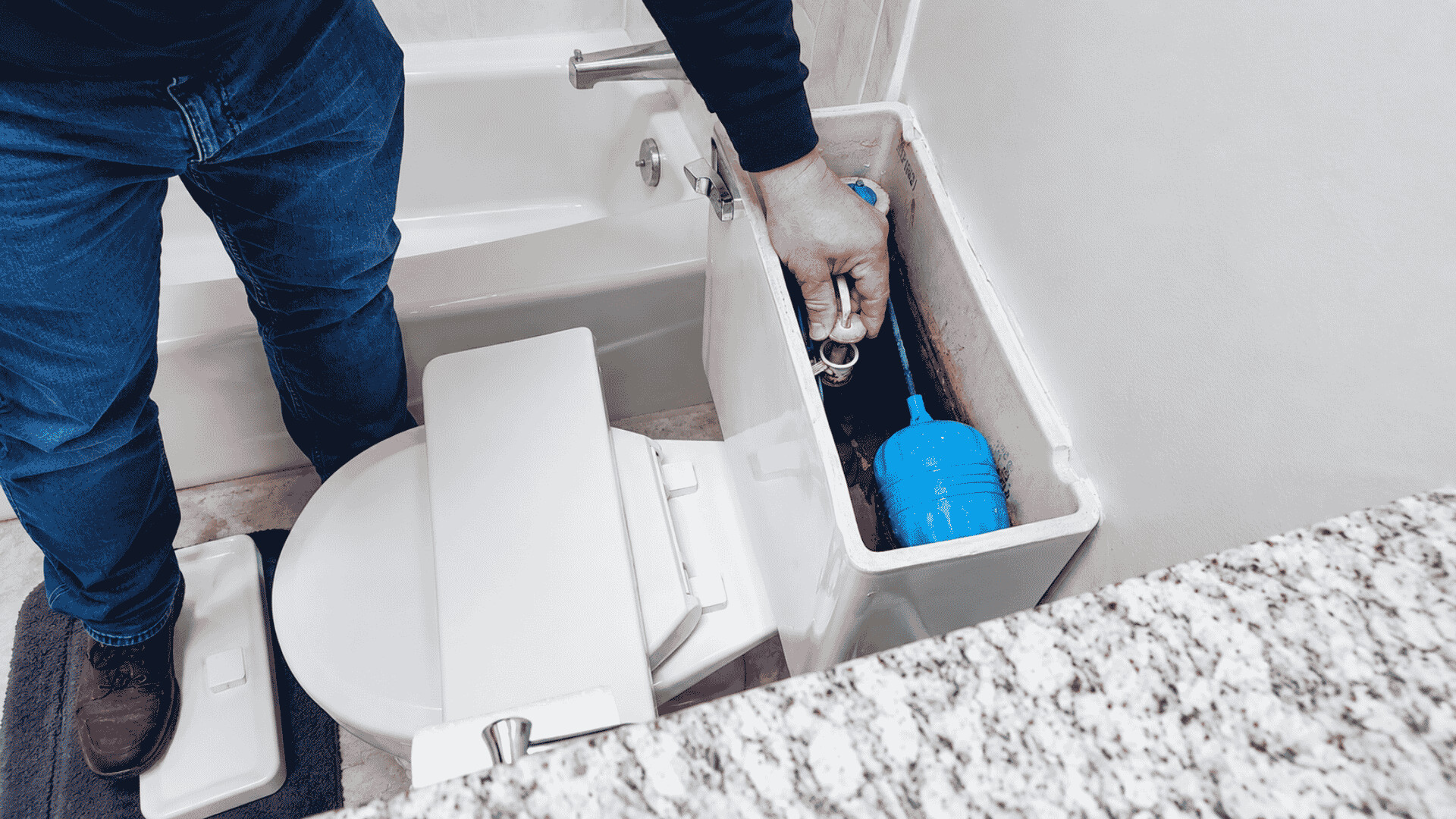
Running toilet with tank lid removed during plumbing inspection
Running Toilet — What Homeowners Need to Know
Common Signs and Warning Signals
Not every running toilet sounds the same. Some make a constant hissing noise, while others refill every few minutes without anyone using them.
Common warning signs include:
- Water running long after flushing
- Random refilling throughout the day
- Hissing sounds inside the tank
- Water moving inside the bowl
- Higher than normal water bills
- Weak or inconsistent flushing
If your toilet shows more than one of these symptoms, it’s time to inspect the internal components before the problem gets worse.
Common Causes
Most running toilets are caused by worn or improperly adjusted parts inside the tank.
The most common causes include:
- Worn flapper valve
- Faulty fill valve
- Improper float adjustment
- Loose or tangled lift chain
- Cracked overflow tube
- Mineral buildup from hard water
These parts wear naturally over time. Fortunately, replacing one inexpensive component often restores the toilet to normal operation.
Repair vs. Replacement
Most running toilet problems can be repaired, not replaced.
Replacing a flapper, fill valve, or float assembly is usually much less expensive than installing a new toilet.
However, replacement may be the better option if:
- The toilet is more than 20 years old.
- The porcelain tank or bowl is cracked.
- Repairs have become frequent.
- The toilet uses significantly more water than modern high-efficiency models.
A professional inspection helps determine which option offers the best long-term value.
Prevention and Maintenance Tips
Regular maintenance helps prevent most toilet problems before they become expensive repairs.
Good habits include:
- Inspect the tank every six months.
- Replace worn rubber flappers before they leak.
- Clean mineral buildup inside the tank.
- Watch for changes in flushing performance.
- Don’t ignore unusual sounds after flushing.
- Fix small leaks promptly.
Preventive maintenance usually costs much less than repairing water damage or paying years of unnecessary water bills.
Professional Recommendations
Professional plumbers recommend checking toilets during routine plumbing inspections, especially in older homes.
Best practices include:
- Test the toilet for silent leaks twice a year.
- Replace worn internal parts before they fail.
- Clean mineral deposits from moving components.
- Check water pressure if multiple fixtures have issues.
- Consider upgrading older toilets to water-efficient models.
Call a plumber if:
- The toilet keeps running after replacing common parts.
- Water leaks around the base.
- The toilet flushes poorly.
- Multiple toilets develop similar problems.
- You’re unsure which component has failed.
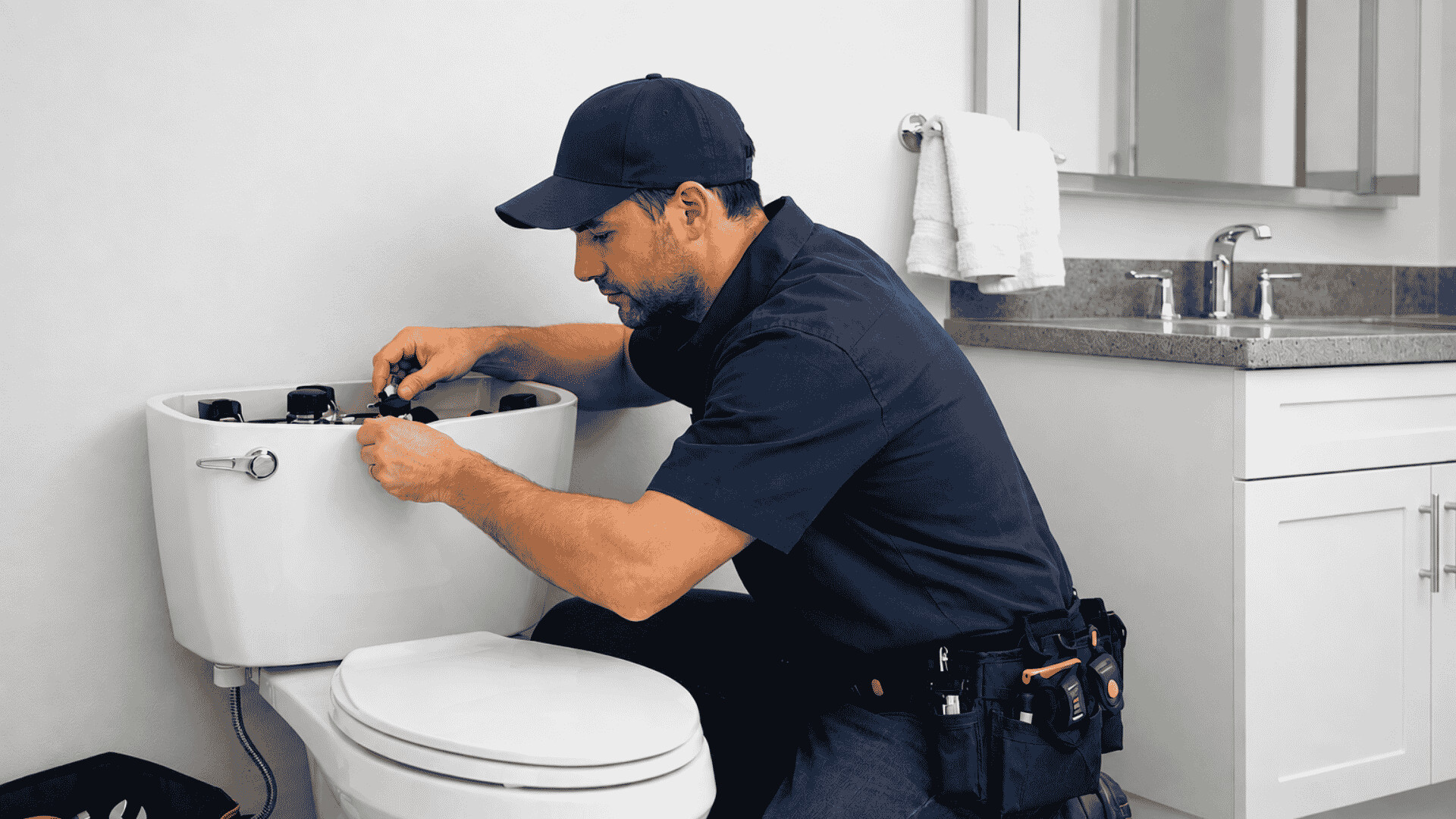
Alt Text: Licensed plumber repairing a running toilet in a residential bathroom
Most-Asked Questions About Running Toilet
Why does my toilet keep running after I flush?
The most common causes are a worn flapper, faulty fill valve, or incorrect float adjustment inside the tank.
Can a running toilet increase my water bill?
Yes. A running toilet can waste hundreds of gallons of water each day, significantly increasing your monthly utility costs.
Can I fix a running toilet myself?
Many minor repairs are simple, but if replacing common parts doesn’t solve the problem, it’s best to have a licensed plumber inspect the toilet.
Why Choose Demmis Plumbing
At Demmis Plumbing, we help homeowners and businesses throughout Lemont and the Southwest Chicago suburbs solve plumbing problems quickly and honestly.
Customers choose us because we provide:
- Licensed and experienced plumbing professionals
- Residential and commercial plumbing services
- Honest recommendations without unnecessary upselling
- Fast response for plumbing emergencies
- Reliable repairs using quality replacement parts
- Local experience with homes of all ages
Whether your toilet needs a simple repair or a complete replacement, we’ll help you find the most practical solution.
Conclusion
A running toilet is easy to overlook, but the longer it continues, the more water and money it wastes. Addressing the problem early can prevent larger plumbing issues and help keep your home’s plumbing operating efficiently.
If your toilet won’t stop running or you’re unsure what’s causing the problem, contact Demmis Plumbing for a professional inspection and reliable repair.Why Your Toilet Isn’t Flushing Right: It Could Be the Handle