
Have you ever stood in the shower while water slowly pooled around your feet? Or noticed your kitchen sink draining slower than it used to?
These are often early warning signs that your plumbing system needs professional drain cleaning.
Many homeowners wait until a complete blockage occurs before calling a plumber. Unfortunately, by the time a drain completely stops working, the problem is usually much larger than it first appeared. Routine drain cleaning helps prevent clogs, sewer backups, foul odors, and costly plumbing emergencies.
If you live in Lemont, Homer Glen, Orland Park, Lockport, Plainfield, Naperville, Aurora, or nearby communities, understanding how often your drains should be cleaned can help you avoid unexpected plumbing problems and expensive repairs.
Why This Matters
Your drains work every day.
Kitchen sinks handle grease, food particles, and soap residue. Bathroom drains collect hair, toothpaste, soap scum, and other debris. Over time, these materials build up inside pipes and restrict water flow.
Many homeowners believe that if water is still draining, everything is fine. That’s not always true.
Slow buildup can lead to:
- Frequent clogs
- Sewer backups
- Pipe damage
- Unpleasant odors
- Water damage
- Emergency plumbing calls
Older homes throughout Lemont, Lockport, Homer Glen, and nearby communities can be especially vulnerable because aging pipes often have rough interior surfaces where debris collects more easily.
Ignoring minor drain issues today can result in major plumbing repairs tomorrow.
Image Placement Suggestion #1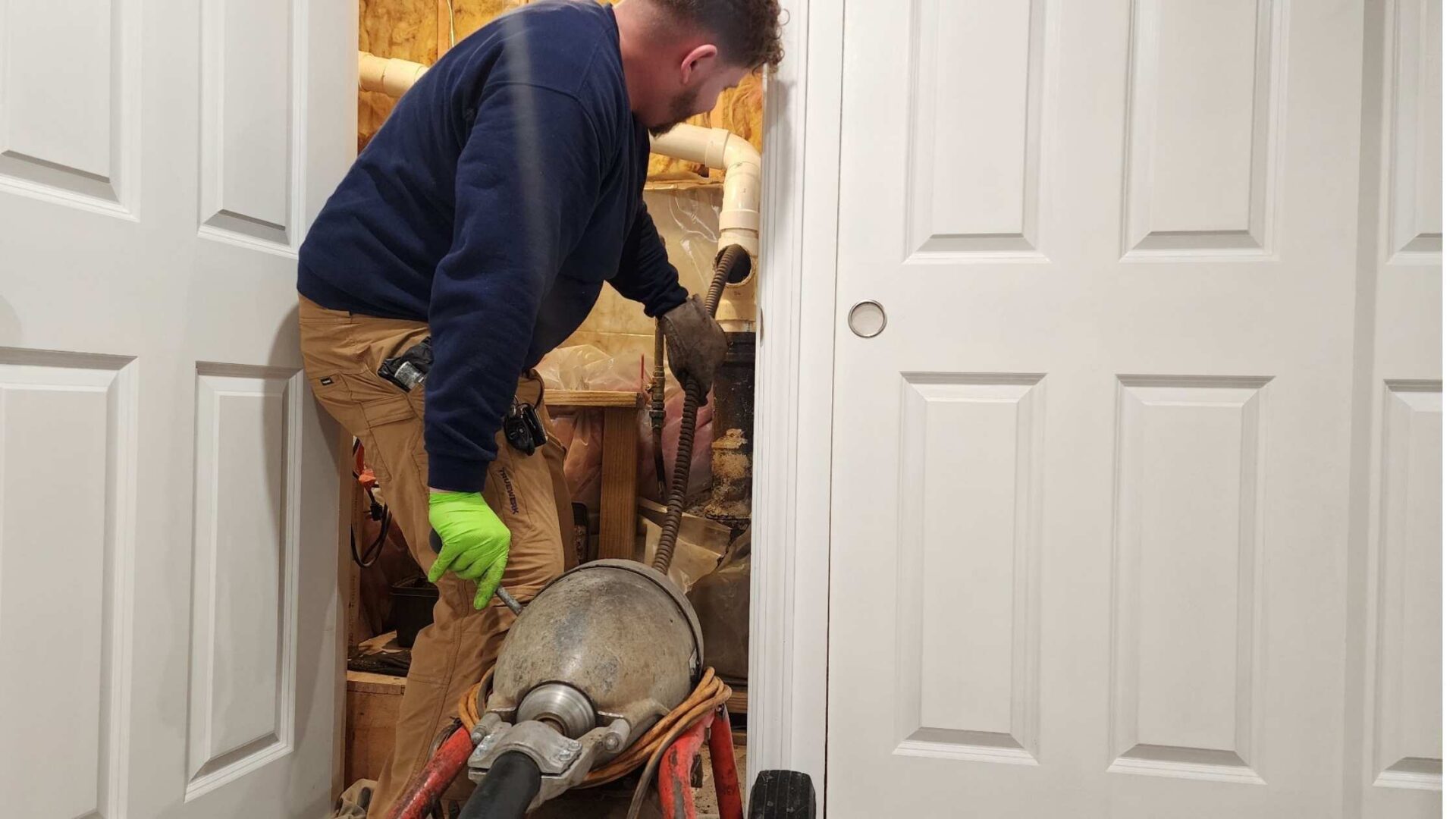
Drain Cleaning — What Homeowners Need to Know
Common Signs and Warning Signals
Wondering if it’s time to schedule a drain cleaning?
Watch for these warning signs:
- Slow draining sinks
- Standing water in showers
- Frequent toilet clogs
- Gurgling sounds from drains
- Bad odors coming from sinks
- Multiple drains slowing down at once
- Water backing up into tubs or sinks
Many homeowners notice one of these signs and assume it’s isolated to a single fixture. In many cases, the blockage is deeper within the plumbing system.
Common Causes
Drain problems rarely happen overnight.
Some of the most common causes include:
Kitchen Drains
- Grease and cooking oils
- Food scraps
- Coffee grounds
- Soap buildup
Bathroom Drains
- Hair
- Soap scum
- Toothpaste residue
- Personal care products
Main Sewer Lines
- Tree root intrusion
- Pipe scale buildup
- Flushed wipes
- Foreign objects
Even products labeled “flushable” can create major blockages inside sewer lines.
Repair vs. Replacement
Not every drain problem requires pipe replacement.
Many issues can be resolved through professional drain cleaning and maintenance.
Drain cleaning may be the best solution when:
- Pipes are structurally sound
- Buildup is causing slow drainage
- Minor root intrusion is present
- Odors are coming from drains
Pipe repair or replacement may be necessary when:
- Pipes are cracked
- Pipes have collapsed
- Severe root intrusion exists
- Corrosion has damaged the pipe
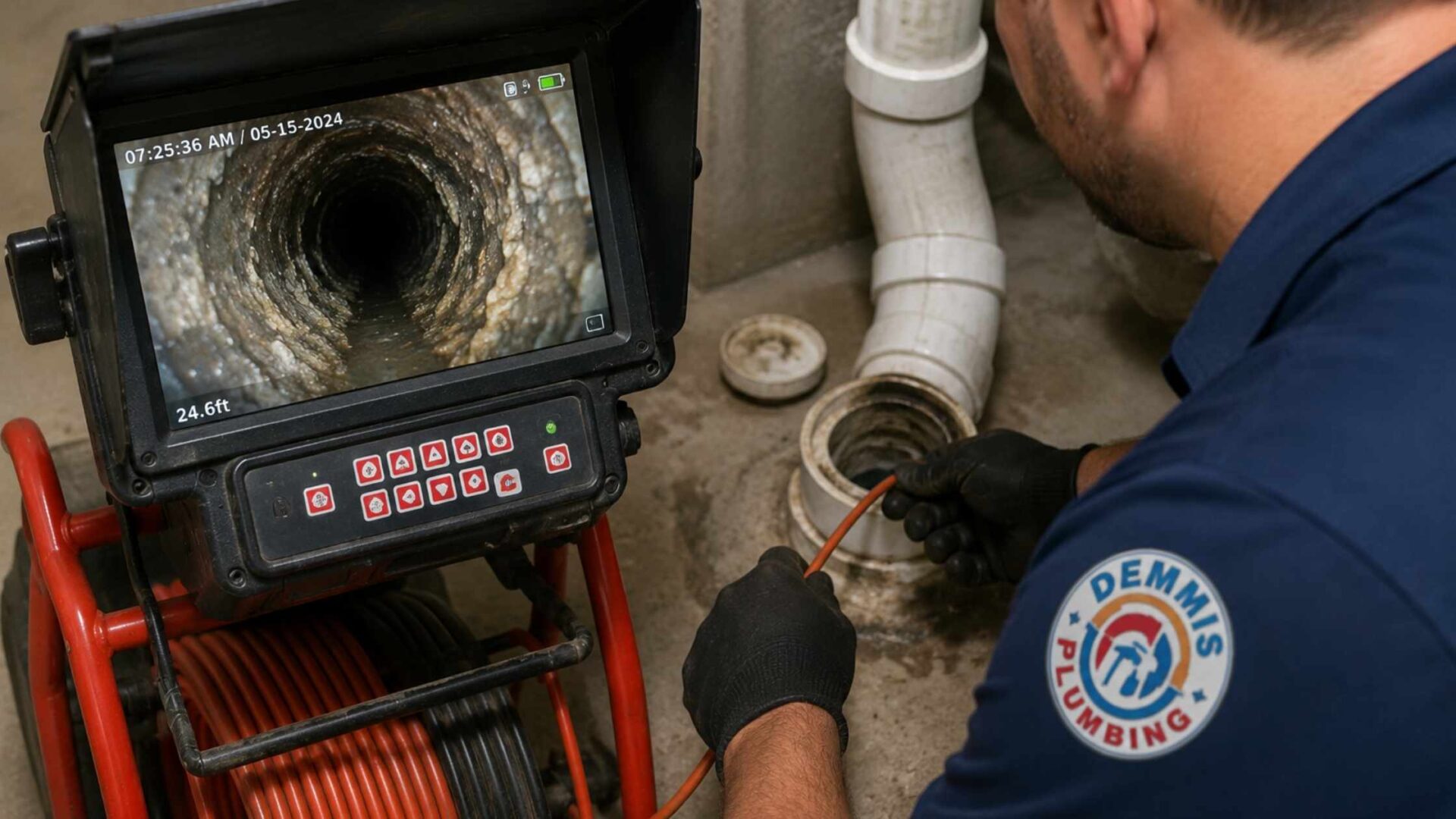
A professional camera inspection can help determine which option makes the most sense.
Prevention and Maintenance Tips
The best way to avoid serious drain problems is through regular maintenance.
Here are a few simple habits that help:
- Avoid pouring grease down sinks.
- Use drain strainers in kitchens and bathrooms.
- Flush drains periodically with hot water.
- Never flush wipes or hygiene products.
- Schedule professional drain cleaning before problems develop.
Small preventive steps often save homeowners hundreds or even thousands of dollars in future repairs.
Professional Recommendations
After years of serving homeowners and businesses throughout Southwest Chicago suburbs, we’ve found that preventive maintenance is almost always less expensive than emergency repairs.
Best Practices
- Schedule routine drain inspections.
- Address slow drains early.
- Keep grease and food waste out of sinks.
- Install drain screens where appropriate.
- Have main sewer lines inspected periodically.
Recommended Drain Cleaning Schedule
Average Household
- Every 18 to 24 months
Large Families
- Every 12 to 18 months
Older Homes
- Every 12 months
Commercial Properties
- Every 6 to 12 months
Properties with recurring drain issues may benefit from more frequent service.
Seasonal Considerations
Spring is often an ideal time for drain inspections and cleaning.
Heavy rains can reveal hidden drainage problems, and tree roots become more active during warmer months.
Fall is another good time to inspect sewer lines before winter weather arrives.
Cost-Saving Tips
- Don’t ignore slow drains.
- Schedule maintenance before emergencies occur.
- Have sewer lines inspected if your home is older.
- Remove buildup before pipes become completely blocked.
When to Call a Plumber
Call a professional if you notice:
- Repeated drain clogs
- Multiple slow drains
- Sewer odors
- Water backups
- Gurgling toilets
- Standing water around floor drains
These symptoms often indicate a larger issue within the plumbing system.
Most-Asked Questions About Drain Cleaning
How often should drains be professionally cleaned?
Most homes benefit from professional drain cleaning every 18 to 24 months. Older homes, larger households, and homes with recurring clogs may require more frequent service.
Is professional drain cleaning worth it?
Yes. Professional drain cleaning removes buildup before it causes blockages, backups, and expensive plumbing repairs.
Can drain cleaning prevent sewer backups?
In many cases, yes. Regular drain cleaning helps remove debris, grease, and root intrusion that can eventually block sewer lines.
Are chemical drain cleaners safe?
Occasional use may help with minor clogs, but repeated use can damage pipes and often fails to remove deeper blockages. Professional cleaning is usually a safer long-term solution.
Why Choose Demmis Plumbing
When homeowners need reliable drain cleaning services, local experience matters.
Demmis Plumbing has helped homeowners and businesses throughout Lemont and Southwest Chicago suburbs keep their plumbing systems flowing properly.
Customers trust us because we provide:
- Local knowledge of area plumbing systems
- Licensed and experienced plumbing professionals
- Honest recommendations based on actual conditions
- Upfront communication about repair options
- Fast response times during plumbing emergencies
- Residential and commercial plumbing expertise
We regularly serve homeowners in Lemont, Orland Park, Homer Glen, Lockport, Plainfield, Naperville, Aurora, and surrounding communities.
Whether you’re dealing with a slow kitchen sink, recurring drain clogs, or a suspected sewer line issue, we’ll help identify the cause and recommend practical solutions.
Conclusion
Professional drain cleaning is one of the simplest ways to protect your plumbing system and avoid costly emergencies.
If your drains are slowing down, producing odors, or clogging more often than they should, don’t wait for a complete blockage to occur. Routine maintenance can help keep your plumbing system working properly and extend the life of your pipes.
If you’re unsure whether your drains need cleaning, the team at Demmis Plumbing can inspect your system and recommend the right solution for your home or business.
Suggested Links
- National Association of Home Builders (NAHB)
https://www.nahb.org - Environmental Protection Agency (EPA)
https://www.epa.gov - Centers for Disease Control and Prevention (CDC) – Septic and Wastewater Information
https://www.cdc.gov
Service Areas:
Lemont, Palos Park, Orland Park, Orland Hills, Mokena, Homer Glen, Lockport, Romeoville, Bolingbrook, Plainfield, Aurora, Naperville, Lisle, Elmhurst, Villa Park, Lombard, Glen Ellyn, Wheaton, West Chicago, Oak Brook, Downers Grove, Westmont, Hinsdale, La Grange, Willowbrook, Burr Ridge, Darien, and Woodridge.