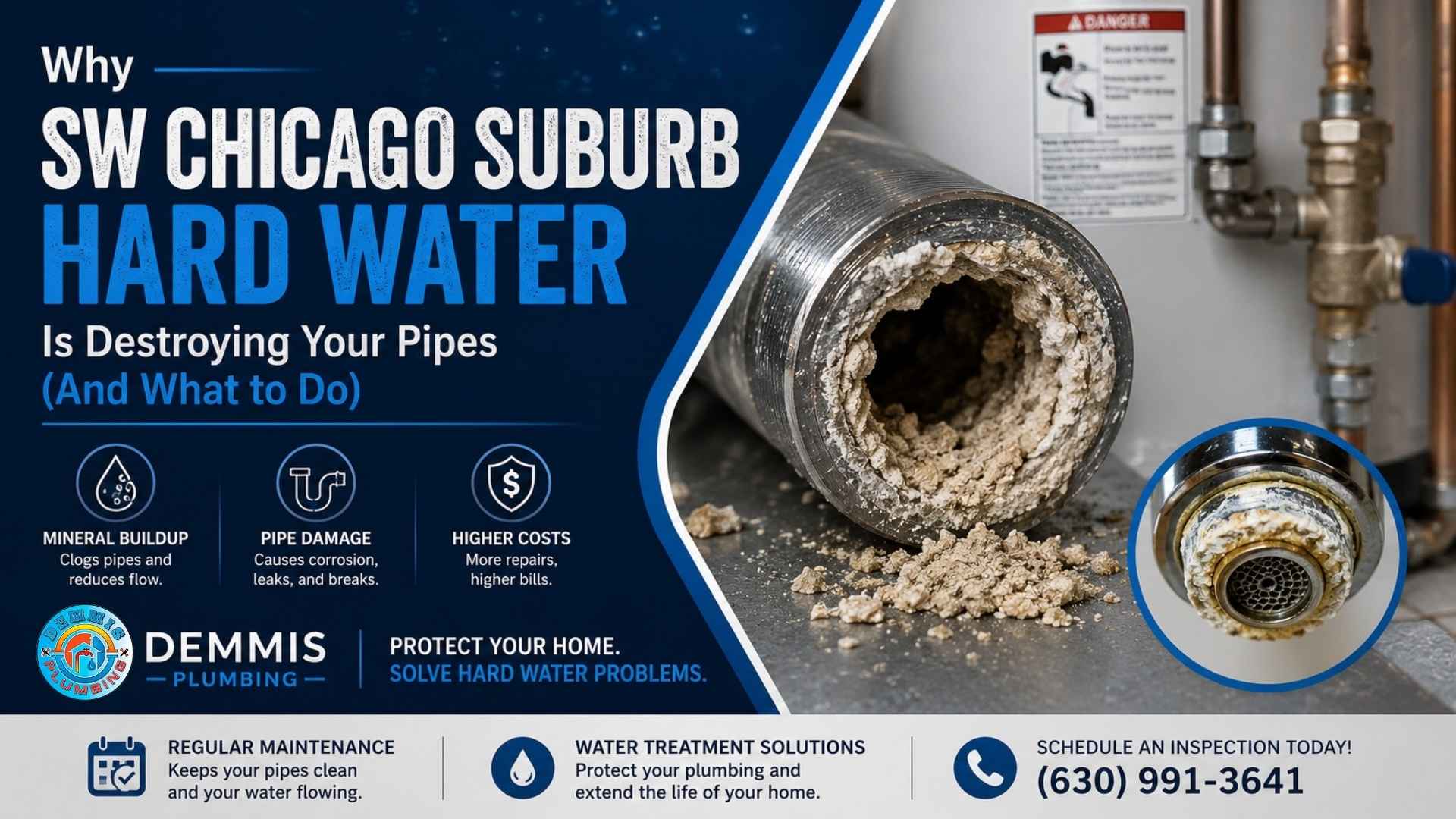
Have you noticed white stains on faucets, low water pressure, or a water heater that doesn’t seem to work as well as it used to?
If so, hard water plumbing problems may already be affecting your home.
Many homeowners across Lemont, Orland Park, Homer Glen, Lockport, Plainfield, Naperville, Aurora, and surrounding communities deal with hard water every day without realizing the damage it causes behind the walls. The minerals found in hard water slowly build up inside pipes, fixtures, water heaters, and appliances.
The good news is that hard water damage can often be slowed or prevented with the right maintenance and plumbing solutions.
In this guide, we’ll explain how hard water affects your plumbing system, what warning signs to watch for, and what you can do to protect your pipes.
Why This Matters
Hard water contains high levels of dissolved minerals, primarily calcium and magnesium. While these minerals are generally safe to drink, they can be tough on your plumbing system.
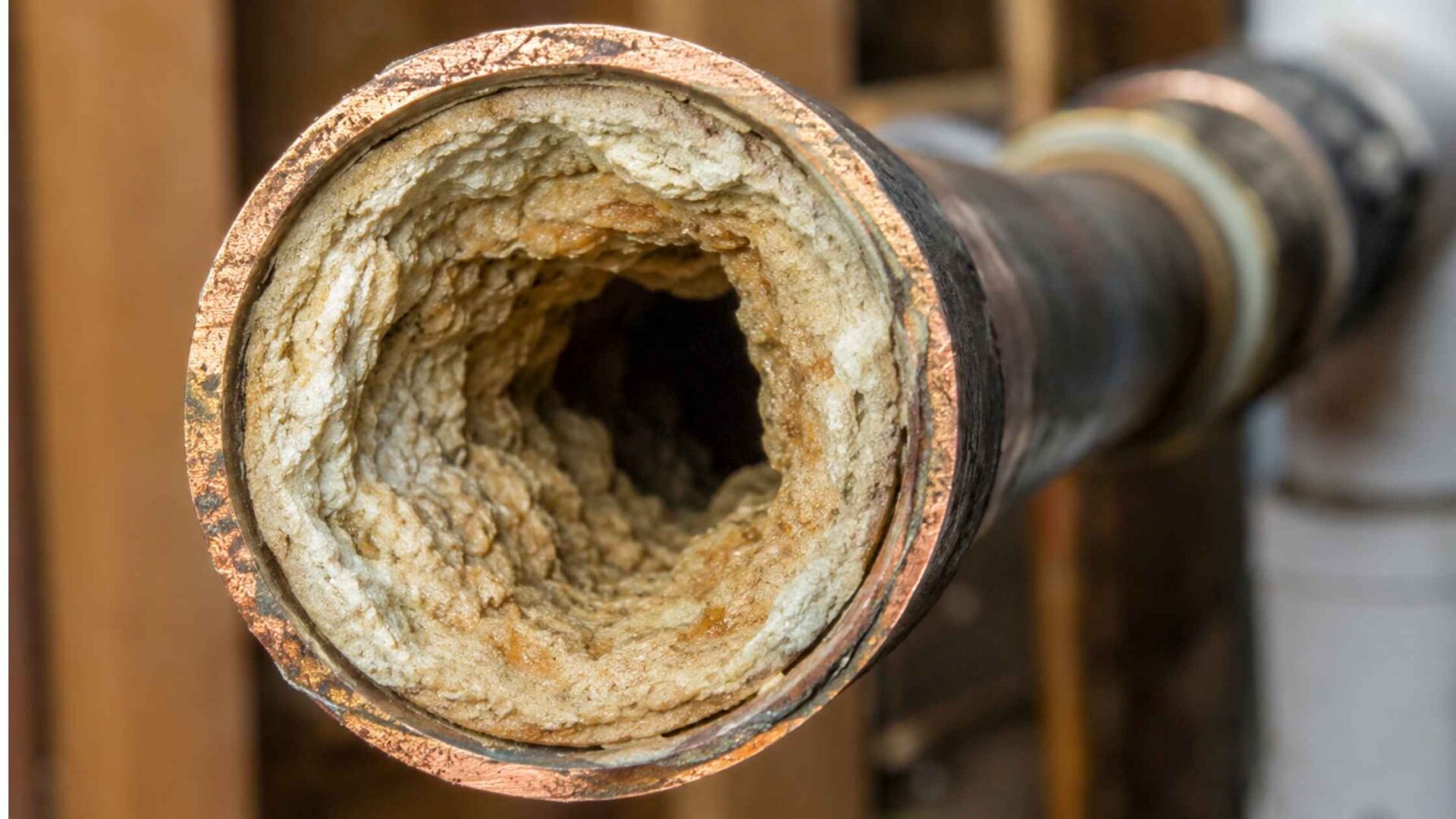
Over time, mineral deposits accumulate inside pipes and fixtures. This buildup reduces water flow, forces appliances to work harder, and increases wear on plumbing components.
For homeowners in Southwest Chicago suburbs, hard water is especially common due to the area’s groundwater and municipal water sources.
Ignoring the problem can lead to:
- Reduced water pressure
- Clogged pipes
- Higher utility bills
- Premature water heater failure
- Faucet and fixture damage
- More frequent plumbing repairs
Many people assume aging pipes are the only cause of plumbing issues. In reality, hard water often plays a major role.
Hard Water Plumbing — What Homeowners Need to Know
Common Signs and Warning Signals
Hard water damage usually develops slowly.
Watch for these common signs:
- White chalky residue on faucets
- Spots on dishes and glassware
- Soap that doesn’t lather well
- Dry skin after showering
- Low water pressure
- Slow-filling washing machines
- Water heater taking longer to heat water
- Frequent plumbing repairs
One of the biggest warning signs is a gradual loss of water pressure throughout the home.
As mineral deposits continue to build inside pipes, the opening available for water flow becomes smaller and smaller.
Common Causes
The primary cause is the natural mineral content in local water supplies.
When water moves through limestone, chalk, and other mineral-rich rock formations, it picks up calcium and magnesium.
Each time water passes through your plumbing system, tiny amounts of these minerals remain behind.
The buildup becomes worse when:
- Water heaters operate at high temperatures
- Pipes are older
- Water usage is heavy
- No water treatment system is installed
Hot water lines are often affected faster than cold water lines because heat accelerates mineral accumulation.
Repair vs. Replacement
Not every hard water issue requires replacing pipes.
In many cases, plumbers can restore performance through targeted repairs and cleaning.
Repair options may include:
- Fixture replacement
- Aerator cleaning
- Water heater flushing
- Drain and pipe cleaning
- Valve replacement
Pipe replacement may become necessary when:
- Mineral buildup is severe
- Corrosion is present
- Water pressure remains low after cleaning
- Older galvanized pipes are heavily restricted
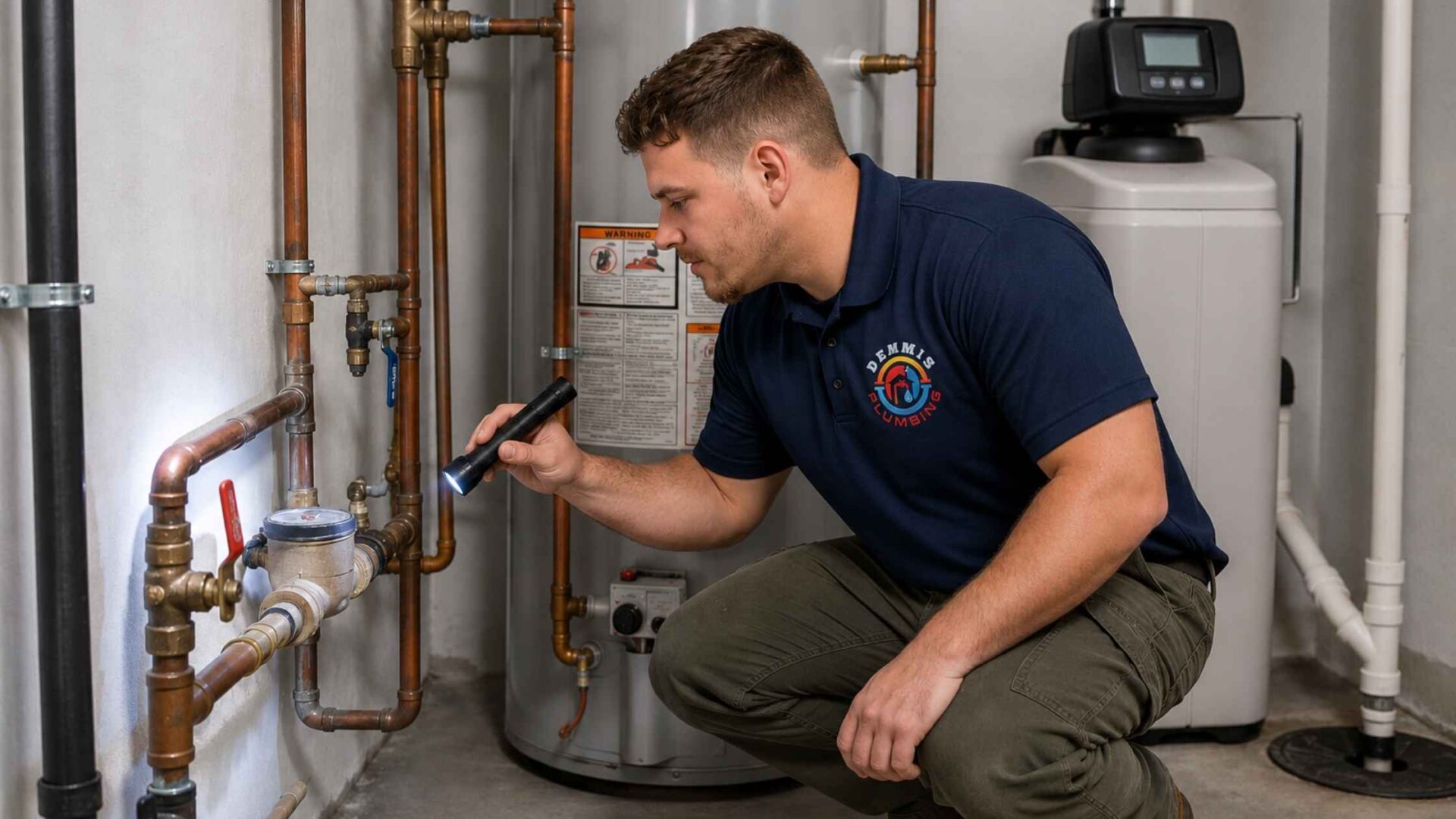
A professional inspection can determine the most cost-effective solution.
Prevention and Maintenance Tips
Preventing hard water damage is much easier than repairing it later.
Consider these steps:
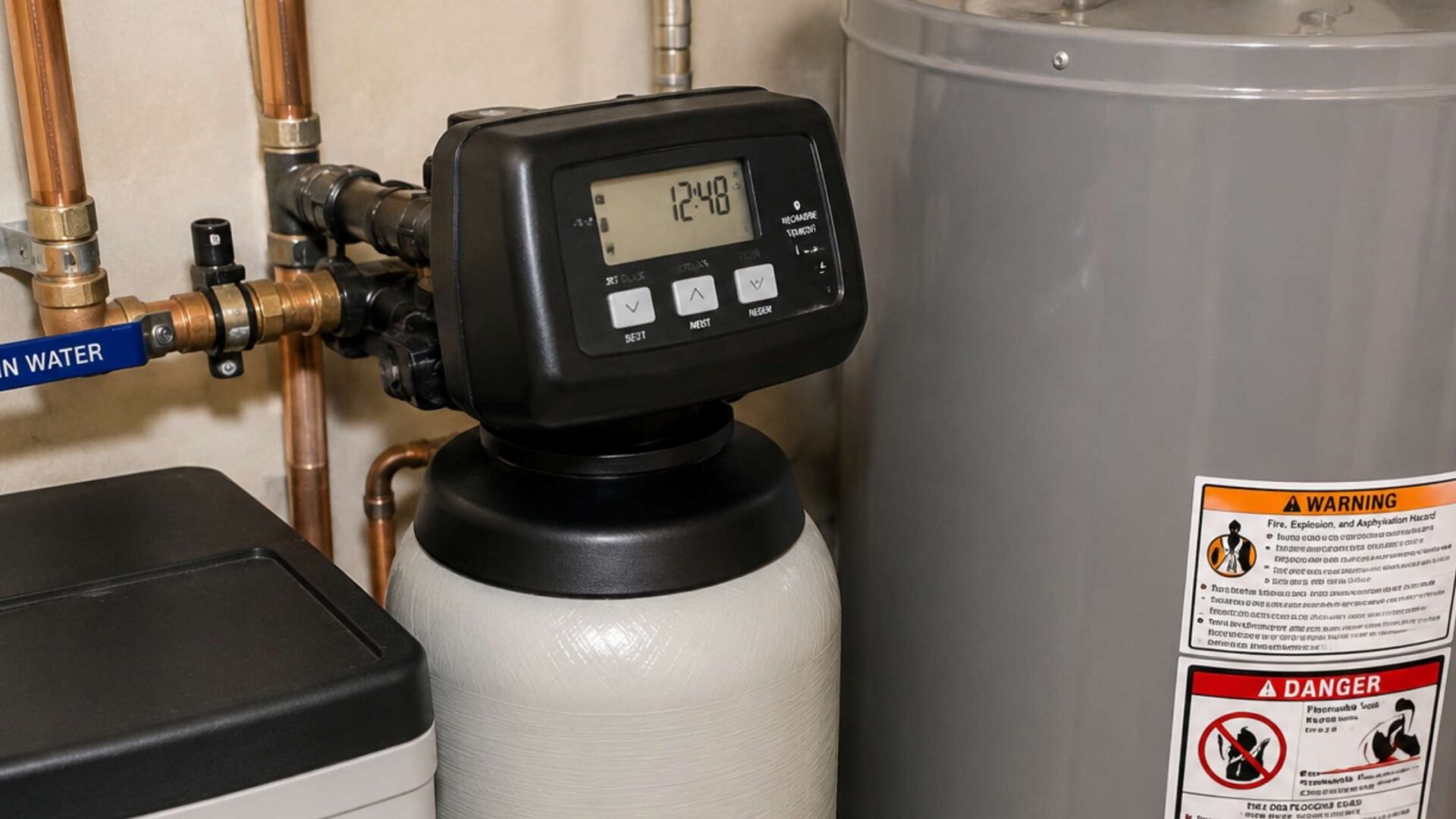
- Install a water softener.
- Flush your water heater annually.
- Clean faucet aerators regularly.
- Schedule plumbing inspections.
- Replace aging fixtures before they fail.
- Address water pressure issues early.
Many homeowners are surprised by how much longer their plumbing system lasts after installing a properly sized water softening system.
Professional Recommendations
After helping homeowners throughout Southwest Chicago suburbs for years, we’ve seen firsthand how expensive hard water damage can become.
Here are some recommendations that can save money over time.
- Environmental Protection Agency (EPA) – Water Quality Information
- United States Geological Survey (USGS) – Water Hardness Information
- Department of Energy – Water Heater Maintenance Tips
Best Practices
- Install a water softener if hard water levels are high.
- Flush water heaters every year.
- Inspect plumbing fixtures annually.
- Replace worn valves and supply lines promptly.
- Monitor water pressure throughout the home.
Maintenance Schedule
Every Month
- Check faucets for mineral deposits.
- Monitor water pressure changes.
Every 6 Months
- Clean aerators and showerheads.
Every Year
- Flush water heater.
- Schedule a plumbing inspection.
Seasonal Considerations
Winter can place additional stress on plumbing systems.
When hard water deposits combine with freezing temperatures, pipe problems often become more noticeable.
Fall is an excellent time to schedule inspections before winter arrives.
Cost-Saving Tips
- Fix small plumbing issues early.
- Flush your water heater regularly.
- Install water treatment equipment before major problems develop.
- Replace inefficient fixtures.
When to Call a Plumber
Contact a plumber if you notice:
- Sudden drops in water pressure
- Frequent fixture clogs
- Water heater performance issues
- Unusual pipe noises
- Repeated plumbing repairs
Waiting too long often results in larger repair bills.
Most-Asked Questions About Hard Water Plumbing
Does hard water damage pipes?
Yes. Hard water leaves mineral deposits inside pipes. Over time, these deposits restrict water flow and can contribute to plumbing failures.
How do I know if I have hard water?
Common signs include white residue on faucets, spots on dishes, soap scum buildup, dry skin, and reduced water pressure.
Is a water softener worth it?
For many homeowners, yes. A water softener helps reduce mineral buildup, protects plumbing fixtures, improves appliance efficiency, and may extend the life of water heaters and pipes.
How often should a water heater be flushed with hard water?
Most plumbing professionals recommend flushing a water heater at least once per year. Homes with severe hard water may benefit from more frequent maintenance.
Why Choose Demmis Plumbing
When hard water begins affecting your plumbing system, local experience matters.
At Demmis Plumbing, we work with homeowners and businesses throughout Lemont and Southwest Chicago suburbs every day.
Our customers choose us because we provide:
- Local knowledge of area water conditions
- Licensed and experienced plumbing professionals
- Honest recommendations based on actual plumbing conditions
- Upfront communication about repair options
- Fast response for plumbing emergencies
- Residential and commercial plumbing services
- Water heater, pipe repair, drain cleaning, and fixture expertise
We understand the plumbing challenges common in communities such as Lemont, Orland Park, Homer Glen, Lockport, Plainfield, Naperville, Aurora, and nearby areas.
Rather than recommending unnecessary work, we focus on practical solutions that help protect your plumbing system and budget.
Conclusion
Hard water may seem like a minor inconvenience, but over time it can cause significant damage to pipes, water heaters, fixtures, and appliances.
If you’ve noticed mineral buildup, low water pressure, or recurring plumbing issues, it’s worth having your system inspected before small problems become expensive repairs.
Demmis Plumbing can help identify hard water plumbing issues, recommend practical solutions, and keep your plumbing system working properly for years to come.
Contact us today to schedule an inspection, discuss water treatment options, or get help with plumbing repairs anywhere in the Southwest Chicago suburbs.
Service Areas:
Lemont, Palos Park, Orland Park, Orland Hills, Mokena, Homer Glen, Lockport, Romeoville, Bolingbrook, Plainfield, Aurora, Naperville, Lisle, Elmhurst, Villa Park, Lombard, Glen Ellyn, Wheaton, West Chicago, Oak Brook, Downers Grove, Westmont, Hinsdale, La Grange, Willowbrook, Burr Ridge, Darien, and Woodridge.