Have you ever turned off a faucet, washing machine, or dishwasher and suddenly heard a loud bang coming from inside your walls?
You’re not alone. That loud noise is often called water hammer, and while many homeowners ignore it, it can become a serious plumbing problem if left untreated.
The good news is that water hammer is usually repairable, especially when it’s diagnosed early. Understanding why it happens can help you protect your pipes, fixtures, and appliances from unnecessary wear and expensive repairs.
In this guide, you’ll learn what water hammer is, what causes it, whether it’s dangerous, and how homeowners throughout Lemont, Orland Park, Homer Glen, Lockport, Plainfield, Naperville, Aurora, and nearby communities can prevent future plumbing damage.
Why This Matters
A single banging noise might not seem like a big deal.
However, repeated water hammer creates powerful shockwaves inside your plumbing system. Every time water suddenly stops moving, that force has to go somewhere.
Over months or years, this repeated impact may contribute to:
- Loose pipe connections
- Damaged valves
- Leaking joints
- Cracked fittings
- Premature appliance wear
- Costly plumbing repairs
Older homes throughout many Chicago Southwest suburbs are especially vulnerable because plumbing systems may lack modern pressure-control devices or water hammer arrestors.
Ignoring the problem can eventually turn an inexpensive repair into a much larger plumbing project.
Water Hammer: What Homeowners Need to Know
Water hammer happens when flowing water suddenly stops.
Since water cannot compress, all of its moving energy instantly becomes pressure inside your pipes.
Imagine slamming on your car’s brakes at highway speed. Everything inside the vehicle wants to keep moving.
The same thing happens inside your plumbing.
That sudden pressure wave travels through the pipes until it loses energy or hits another fitting, creating the familiar banging or knocking sound.
Although many people call it “noisy pipes,” the noise itself isn’t the real issue.
The pressure behind the noise is.
Common Signs and Warning Signals
Water hammer isn’t always loud.
Some homeowners notice only occasional sounds, while others experience severe shaking.
Common signs include:
- Loud banging after shutting off faucets
- Pipes vibrating inside walls
- Knocking sounds after the washing machine fills
- Noise after dishwasher cycles
- Sudden pipe movement
- Small plumbing leaks appearing over time
- Faucets beginning to drip unexpectedly
If these symptoms continue getting worse, it’s time to have the plumbing inspected.
Common Causes
Several plumbing issues can create water hammer.
High Water Pressure
Excessively high water pressure makes pressure waves much stronger.
Most residential plumbing performs best between 40 and 60 PSI.
Pressure above that range increases stress throughout the system.
Missing Water Hammer Arrestors
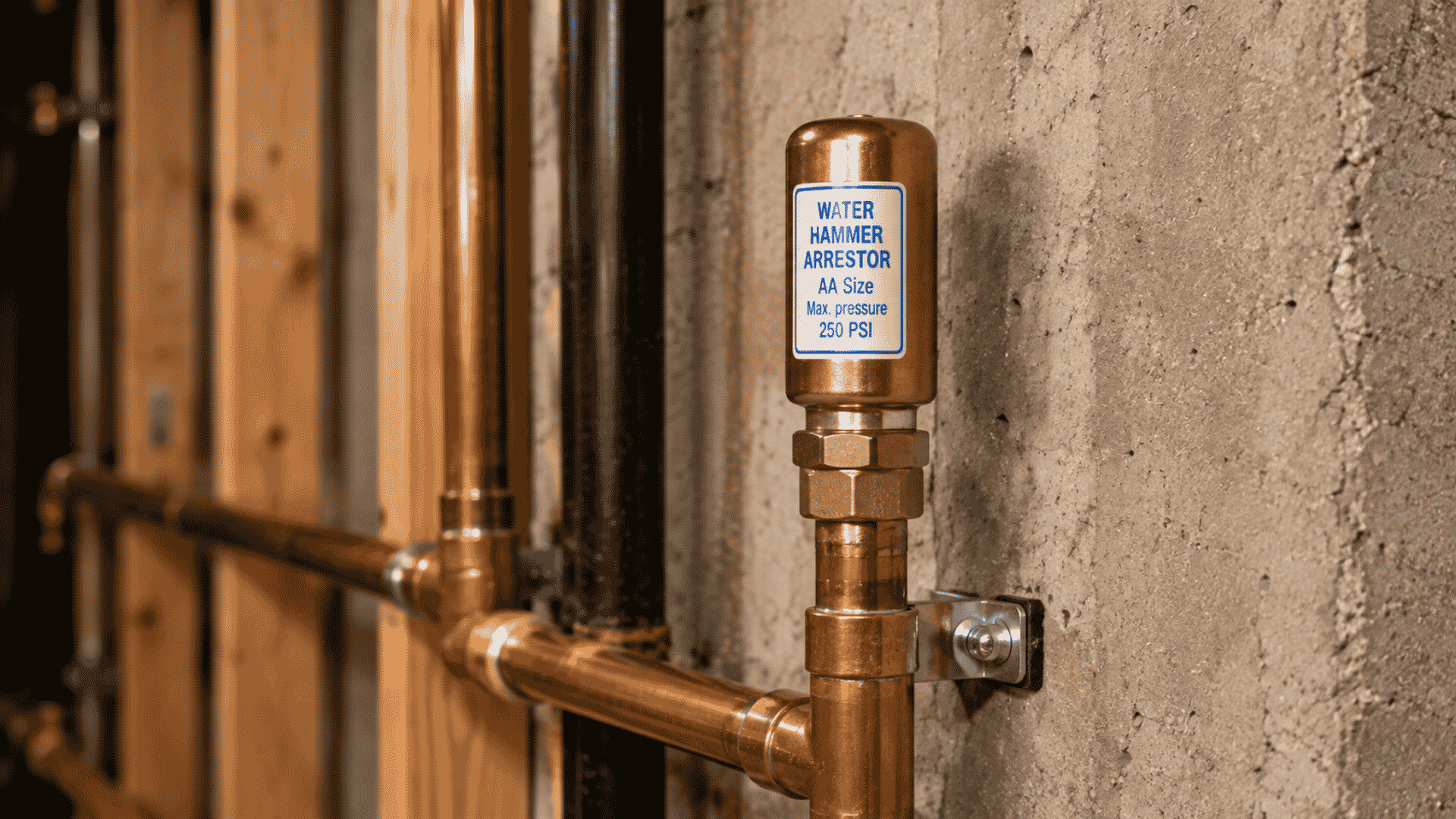
Modern plumbing often includes small devices called water hammer arrestors.
These absorb the pressure shock before it travels through the pipes.
Older homes may not have them.
Loose Pipes
Pipes should be securely fastened.
If they’re allowed to move inside walls or ceilings, even normal pressure changes can produce loud banging.
Faulty Pressure Regulator
A failing pressure reducing valve (PRV) can allow excessive pressure into the home’s plumbing system.
Fast-Closing Valves
Modern appliances such as:
- Washing machines
- Dishwashers
- Ice makers
often use quick-closing valves that instantly stop water flow, making water hammer more likely.
Repair vs. Replacement
Fortunately, water hammer usually does not require replacing your entire plumbing system.
Many problems can be corrected by repairing one specific component.
Repairs may include:
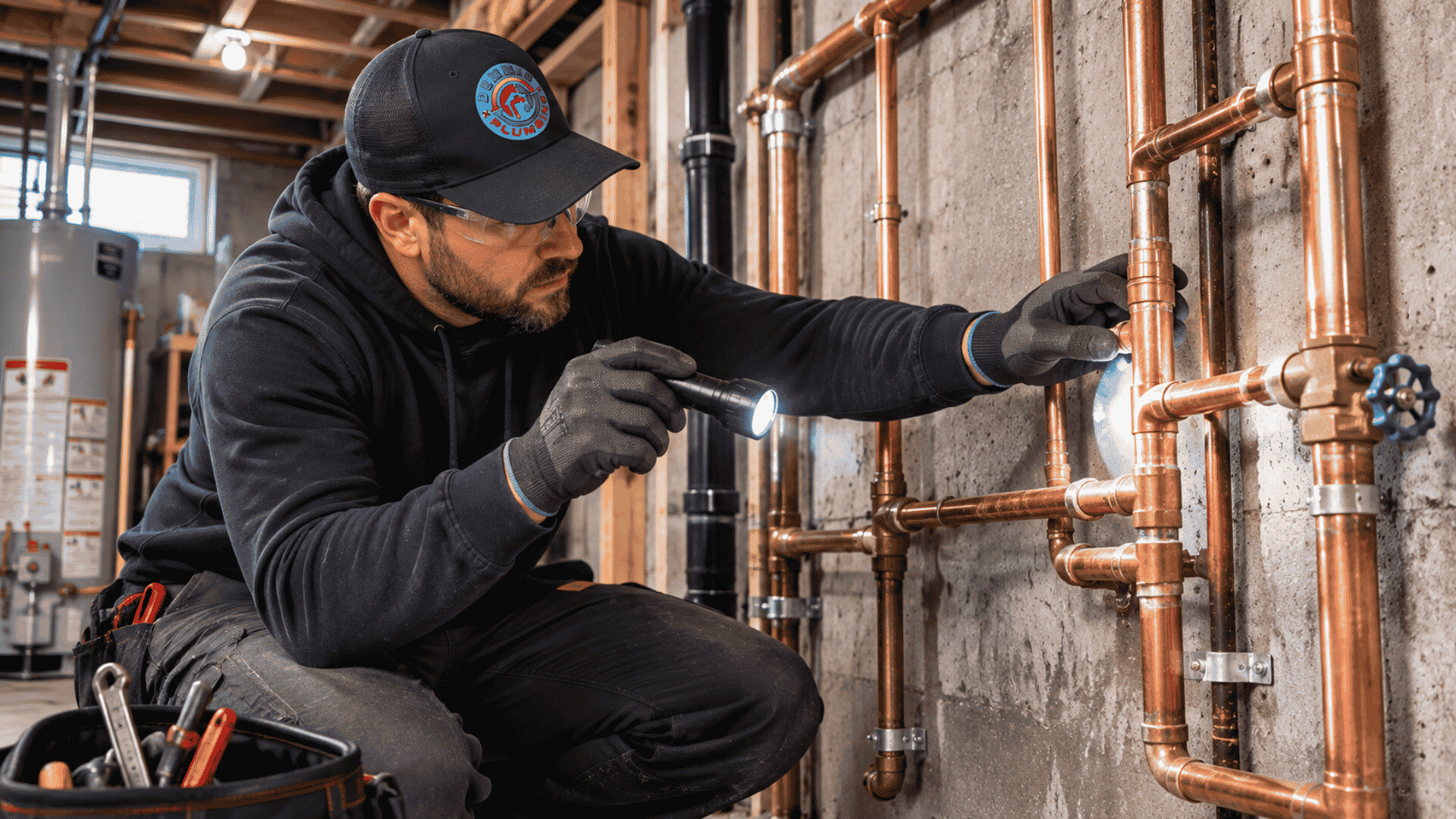
- Installing water hammer arrestors
- Securing loose pipes
- Adjusting water pressure
- Replacing faulty pressure regulators
- Repairing leaking fittings
- Replacing worn shutoff valves
Pipe replacement is generally considered only when the plumbing system has extensive age-related damage or repeated failures.
A professional inspection helps determine the most cost-effective solution.
Prevention and Maintenance Tips
Preventing water hammer is much easier than repairing water damage later.
Homeowners should:
- Monitor water pressure yearly.
- Fix plumbing leaks promptly.
- Have loose pipes secured.
- Install water hammer arrestors where needed.
- Schedule plumbing inspections for older homes.
- Replace worn pressure regulators before they fail.
- Address unusual plumbing noises early.
Small preventive repairs often save hundreds or even thousands of dollars later.
Professional Recommendations
Experienced plumbers recommend treating unusual plumbing noises as an early warning rather than waiting for leaks to appear.
Best Practices
- Keep household water pressure within recommended levels.
- Don’t ignore repeated banging noises.
- Replace worn valves before they fail.
- Schedule plumbing inspections every few years.
Seasonal Considerations
During winter, frozen pipes combined with pressure changes can increase stress on plumbing systems.
Spring is also an excellent time to inspect pipes after freezing temperatures.
Cost-Saving Tips
- Repair small leaks early.
- Replace inexpensive components before they damage larger sections.
- Install pressure protection devices before problems develop.
When to Call a Plumber
Call a professional if:
- Pipes bang every day.
- Water pressure suddenly changes.
- New leaks appear.
- Pipes visibly shake.
- Plumbing noises become louder over time.
Early diagnosis usually means lower repair costs.
Most-Asked Questions About Water Hammer
Is water hammer dangerous?
Yes. While the noise itself isn’t dangerous, repeated pressure surges can eventually damage pipes, fittings, valves, and appliances if left unaddressed.
Can water hammer fix itself?
No.
In some cases the noise may temporarily disappear, but the underlying cause usually remains.
Is high water pressure always the cause?
Not always.
Loose pipes, faulty pressure regulators, and missing water hammer arrestors are also common causes.
Should I ignore occasional banging pipes?
Even occasional banging should be inspected if it becomes more frequent or louder.
Early repairs are typically much less expensive than fixing water damage later.
Why Choose Demmis Plumbing
When unusual plumbing noises appear, experience matters.
Homeowners and businesses throughout Lemont, Orland Park, Homer Glen, Lockport, Plainfield, Aurora, Naperville, and surrounding communities rely on Demmis Plumbing for honest evaluations and practical solutions.
Our customers appreciate that we provide:
- Licensed and experienced plumbing professionals
- Residential and commercial plumbing services
- Fast response for plumbing emergencies
- Clear communication before work begins
- Repair-focused recommendations whenever practical
- Experience working with both older and newer plumbing systems
Whether the issue is a simple pressure adjustment or a more complex pipe repair, we’ll help identify the cause and recommend the most appropriate solution.
Conclusion
If your plumbing makes loud banging or knocking sounds, don’t assume it’s normal.
Water hammer is often an early warning that your plumbing system is experiencing unnecessary stress. Addressing the problem early can help prevent leaks, damaged pipes, and costly repairs in the future.
If you’re hearing unusual plumbing noises or suspect high water pressure, contact Demmis Plumbing for a professional inspection. We’ll identify the cause, explain your options, and help protect your plumbing system with reliable, long-lasting repairs.